Imported Foods in Indian Market
Not too long ago for buying imported foods we had to go to select markets - such as Modern Bazar. Vasant Vihar in Delhi or Fort in Mumbai. In other places one has to literally search for such choice food items. In those days importing foods were not permitted. And we were told that these foreign made chocolates and soup mixes and cheese find their way to Modern Bazar through diplomatic routes in the sense that persons in diplomatic services bring with them these foodstuff and sell them to local stores. But the fact of the matter is that these food items are brought to India through what is called "Suitcase trade" in the concerned circle. It will not take time for readers to understand what the "suitcase trade" is? It simply means to carry suitcase full of foodstuff by people frequently travelling overseas and selling and or delivering those to local traders and this happens in an organised manner. Those who can afford, have to pay a fancy price for those foreign foods. Although price was exhorbitant but the quality used to be distinctly better. Children love their Swiss chocolates, French Cheese and Italian pastas.
General Foods (now known as Kraft Foods International) - subsidiary of Phillips Morris has a synthetic orange beverage by brand-name "Tang" found to their dismay that so much of Tang is selling in India and Nepal now that they started thinking what would be the loss of sales to their South East Asian subsidiaries from where it finds its way to Indian market, once they start manufacturing it locally.
In the last couple of years these imported foods are available almost in all leading shops in most of the shopping centres in the city. To my surprise while taking a stroll in Greater Kailash shopping centre, I found couple of those shops have stacked Champaign, sparkling wine and imported mineral water outside the shop alongside soft drinks and on getting curious when I peeped inside I found everything is available. You name it -- it is there. I bought some MARS chocolate and came out.
The way things are moving, some of these foreign companies in course of time will do only trading in foods. There are local agents who now represent many foreign companies and regularly import foods in turn to supply to local retailers and stores. In big stores like Nanz, there are regular requirement being catered to by their local agents. In earlier years we used to see these phenomena in countries like say in Middle East. This trade in imported foods will be on the increase as the custom duty goes down. It will also fuel the growth of partial processing in India to take the advantage of price equation. For example, importing the product in bulk and carrying out re-packing operation here will be more economical than importing the finished product itself.
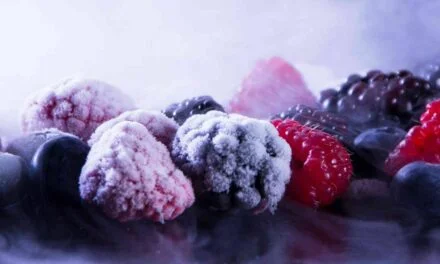
As we know that India has now signed the WTO (World Trade Organization) agreement, of course, being a signatory to this agreement is a lesser evil than not signing it at all. As per the terms of reference to this agreement, by year 2003, India has to put most of the items under Open General License (OGL) for import which means these items can be freely traded. We so far could announce around about hundred odd items under OGL and in that list shrimp, strawberry, rasberry and other fruits, have already featured.
With the recent announcement of the Commerce Ministry, we have now freed import of 894 items including consumer goods and agricultural products by putting them under Open General Licence (OGL).
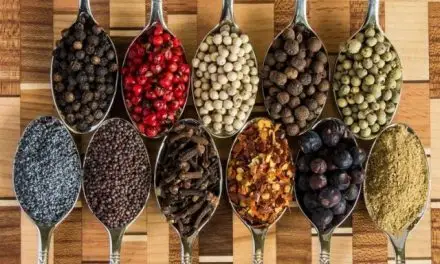
Another 414 items are removed from the "restricted" list allowing these to be imported against Special Import Licence (SIL) that can be procured in the market by importers at a small premium. Fruits like oranges and pomegranates, soft drink concentrates etc. are falling in SIL category whereas a range of marine food products, vegetables, assorted fruits and juices, spices, edible oils, jams, jellies etc. are brought under OGL.
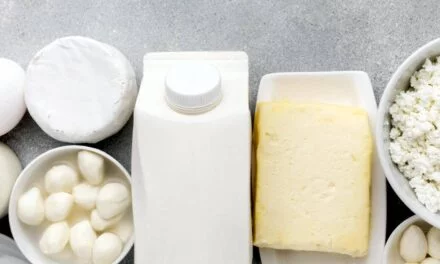
The peak rate of the basic import tariff is now 40 percent which is applicable to most consumer products. On some items such as milk products India's WTO commitment bind it to a zero duty. But in most other agricultural products the WTO restriction is substantially higher ranging from 150 percent in the case of processed foods to 300 percent for edible oils. It is interesting to note that India, as a part of its globalisation policy is reducing the general tariff structure much faster than the asking rate as per WTO.
The outcome of the same is that in India we now get "KIWI" -- an Australian fruit from select outlets if we want to. Shrimp is also now imported into India. In a recent wealthy marwari marriage reception that I had attended, I found in the fruit counter all the fruits look different than what I am familiar about. For example, Guava and Apples were almost double the normal size that we get here. Plus there were unknown fruits. And I was told that all these fruits were imported from Bangkok. I was so tempted that I tried all varieties and filled my stomach with all these tasty exotic fruits only. And later on started thinking that what will happen to our fruits if these fruits are available at a competitive price in India. Can our farmers and fruit merchants become globally competitive in terms of price and quality. We should see the writing on the wall and work in that direction. The Agricultural Products Export Development Authority (APEDA) should quickly assess the scenario and rise to the occasion to take appropriate action. All of us are seeing the ongoing battle European banana growers are fighting in the forum of WTO against Americans refusal to permit entry of European Banana in that country.
If international fruit brands like "Chikita"
and "Del Monte" start selling here, who is going
to buy local fruits from our mandis and roadside vendors
selling fruits on the top of hand-pulled trolleys?
|