
|
Sanitation and Hygiene Practices of Employees in Food Safety
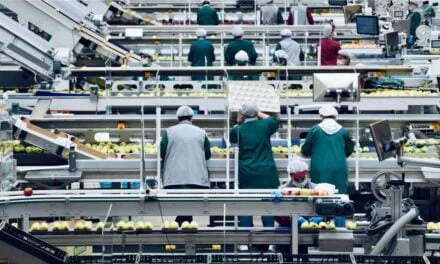
Human beings are involved at all stages of food chain i.e. production, harvesting, packaging, transportation, loading, unloading, handling, etc. They are source of contamination.
Illnesses associated with foods are primarily those transmitted by the faecal-oral route. Although raw produce can serve as a source of a variety of foodborne organisms, such as viruses, bacteria, protozoa, fungi, and parasitic worms, yet one should be gravely concerned about the presence of pathogenic bacteria, such as E. coli 0157:H7. 
Methods directed towards reducing food safety risks in food production, harvesting and distribution operations must start with good sanitation and hygiene practices. The application of a good sanitation and hygiene programme should focus on the employees, environment, facilities, and transportation of fresh foods.
This article deals with good sanitation and hygiene programme should focus on employees.
Employees: Microbial Hazard
Worker's health and hygiene play a critical role in the controls for minimising microbial contamination of food. Faecal-oral diseases are the primary microbiological concerns that have been associated with food. Workers during growing, harvesting, sorting, processing, and packing food can spread these diseases. Infected food Industry workers/employees have been implicated as the source of several foodborne outbreaks of gastro-enteritis, involving salads, cold food items, and ice.
Proper handwashing minimizes the spread of pathogenic bacteria and other microbial hazards, limiting the potential for contamination of produce.
Control of Potential Hazards
Personal Health of Employees
•Good hygienic practices by all personnel (incl. Senior Managers) who are involved in the harvesting, packing, and distribution of food are essential in the control of microbial and other biological hazards. Any individual in the agricultural environment (farm, packing areas, and transportation chain) who contacts food or equipment used in contact with food in agricultural areas presents a potential contamination risk.
•All personnel, including those indirectly involved in food operations (such as, pest control operators), must comply with established hygienic practices. Infectious diseases, ill health accompanied by diarrhoea, open lesions (including boils, sores, or infected wounds), and other ailments are a source of microbial contamination that could contaminate food, water supplies, and other workers.
•Some microbial pathogens that can be transmitted by food contaminated by infected individuals includes, but is not limited to, the following:
1. Salmonella species, 2. Shigella species, 3. Staphylococcus aureus, 4. Streptococcus pyrogenes, 5. E. coli, 6. Giardia lamblia, 7. Hepatitis A virus, 8. and many others.
Symptoms associated with infections by these pathogens may include diarrhoea, fever, vomiting, jaundice, and sore throat with fever.
An employee suffering from any of these symptoms presents an increased risk of transmitting foodborne illness. Unfortunately most of the food companies do not practice regular medical check-up of their employees to prevent such incidences. It is suggested that:
•Operators train employees to report to the person in charge any information about their health or activities as they relate to diseases that are transmissible through food. Because of the high infectivity (ability to invade and multiply) and virulence (ability to produce severe disease) of Salmonella typhi, Shigella species, E. coli 0157:H7, or hepatitis A virus, any worker diagnosed with an active case of illness caused by any of these pathogens should be restricted from work assignments that involves contact with food or produce handling equipment.
•The supervisor, or the person in charge, should consider ways to monitor the health of their employees and take steps to reduce the chance of foodborne illness. For example, disposable rubber or similar gloves, leak-proof band aids, or other corrective measures for minor cuts should be provided for use as necessary to the personnel who may have contact with produce.
•More importantly, the person in charge should ensure that workers with diarrheal disease are not working with food or any equipment used in the harvesting and processing of food.
•Workers should be taught to report symptoms caused by illness, infection, or other source that is associated with acute gastrointestinal illness such as: diarrhoea, fever, vomiting, jaundice, or sore throat with fever, a lesion containing pus such as a boil or infected wound that is open or draining and that is located on parts of the body that might have contact with food or produce harvesting and processing equipment.
Prevention is better
•Role and attitude of senior managers is very crucial. Many time senior managers ignore the need of training and re-training of employees. Such short-sighted managers are doing disservice to their companies because poor quality and unhygienic food is eroding their companies' good will in market place.
· All employees, including supervisors, full time, part time and seasonal personnel, should be trained in good hygienic practices. Computer can be used to train people either through animation films of video films.
•Processors or growers may want to consider establishing a training programme that would include a system to monitor and evaluate compliance with established sanitary practices. The operators should also consider follow-up training sessions to encourage adherence to good hygienic practices.
•The biggest challenge is to change the mindset of employees and facilitate the learning of new techniques.
Well Designed Programme
The focus of any training programme should include, but is not limited to, the following:
•The importance of good hygiene.
•All personnel should understand the impact of poor personal cleanliness and unsanitary practices on food safety.
•Smoking or eating in areas where food is present can contaminate the produce because of the potential that the hands and food-contact surfaces may become contaminated.
•Insanitary personal practices such as scratching the head, placing the fingers in or about the mouth or nose, and indiscriminate and uncovered sneezing or coughing may contaminate food or any handling equipment. Within packinghouses, hair can be a direct and indirect vehicle of contamination. Workers may contaminate their hands by touching their hair. For enclosed facilities, operators may want to consider the use of hair restraints to keep dislodged hair from ending up in food and to deter employees from touching their hair.
•Thorough handwashing after each absence from the workstation, after using the bathroom, before and after eating, and before commencing work is very important. Many of the diseases that are transmissible through food may be harboured in the employee's intestinal tract and shed in the faeces. Thorough washing of hands with soap and warm water helps to stop the spread of germs. Employees should be taught proper handwashing techniques, that include: hand washing with warm water (if available); proper use of soap; and thorough scrubbing (including cleaning under finger nails and between fingers), rinsing, and drying of the hands.
•The importance of using sanitation facilities. All employees should be encouraged to use on-site latrines and to avoid eliminating wastes outside of these facilities. The use of well maintained sanitation facilities for waste elimination helps reduce the potential for cross contaminating fields, produce, other workers, and water supplies, and increases the likelihood that employees will wash their hands after using such facilities.
•Employee must feel proud and help colleagues in achieving sanitation and hygienic standards.
Please remember, employees are not machines but more important than machine. Respect their individuality and build on their strengths. In competitive business environment, good knowledgeable employees are the most important assets. You take care of them they will take care of your business interests.
________________________________________________________________________ Please do not forget to send your views about the article to the Editor or Author
Goto top | Goto Series Index
|