By-products utilisation can improve the economics of Tomato industry PDF  | Print |  E-mail

By-products utilisation can improve the economics of Tomato industry

—V.H Potty


utilisationSuccessful extraction technology for lycopene recovery from tomato waste can significantly improve the economic aspects of tomato industry besides making available one of the most potent antioxidants for formulating health supplements, writes VH Potty.

By-products and waste materials from the food processing industry can be a money-spinner if they are appropriately utilized using newer knowledge and technologies. One of the classical examples is production of pectin, essential oils and dietary fiber from citrus wastes. There are many other phytochemicals and biologically active substances derived from food materials having health promoting properties.

Tomato is a fruit used as a vegetable mainly because of the low sugar content. It is consumed both in fresh as well as processed forms. Of the world production of 126 million tons (mt), India accounts for only 8.6 mt while China, the top producer, recorded an out put of 33.7 mt. It happens to be one of the important components in salads and over the years revolutionary developments have taken place in evolving fruits with more flesh and colour, special qualities that endear it to consumers of salads. Tomato varieties are now available with double the vitamin C, 40 times more vitamin A, high levels of anthocyanins and 2-4 times more lycopene compared to that in traditional varieties. Tomato contains over 80 nutrients beneficial to humans. Considerable gap exists between home grown and commercial varieties with latter focusing on qualities like consistent size and shape, disease and pest resistance, amenability for mechanized harvesting, suitability for packing and distribution before fully ripening etc.

Lycopene is one of the most studied components in tomato as it has been found to have a vital role in protecting humans from various types of cancer including colorectal, prostate, breast, endometrial, lung and pancreas. Being a powerful antioxidant it has the ability to protect living cells and other structures in the body from oxygen damage and maintain DNA integrity in white blood cells. Lycopene is also believed to be able to activate cancer preventing Phase II enzymes. There is another view, which gives credit to other components present in tomato along with lycopene for the anticancer activity of the fruit. Lycopene is also linked to improved skin health by virtue of its ability to protect against undesirable UV ray exposure.

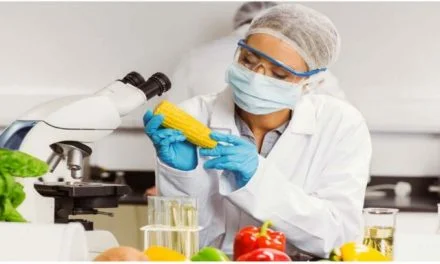
The observation that tomato paste from whole tomato is more beneficial compared to that made from peeled fruit implicated that peel might have the active principles in greater concentration than in the edible portion. 75% more lycopene and 41% more beta carotene are absorbed from whole tomato paste compared to that from peeled tomato paste. Peel contains about 100.8 gm of proteins, 256.4 gm of ash, 299.4 gm of acid detergent fiber per kg and 734 micro gram of lycopene per gm of the peel on dry weight basis. High ash content reported here is due to lye peeling commonly employed for removing the peel portion by the processing industry. Peel is also a source of lutein, beta carotene, cis-beta carotene. Presence of the flavonols Quercitin and Kaempferol, about 5-10 mg per kg of peel on fresh weight basis, is responsible for the cardioprotective role attributed to tomato. According to industry estimates, waste generated containing peel and the seeds can account for as much as 40% of the fresh fruit processed. Here is a typical case where the technology for processing tomato is skewed to deprive the processed products of most healthy nutrients that escape through the waste that are discarded!

Successful extraction technology for lycopene recovery from tomato waste can significantly improve the economic aspects of tomato industry besides making available one of the most potent antioxidants for formulating health supplements. Treatment with commercial enzymes like pectinase, cellulase and hemicellulases followed by extraction with solvents like hexane, ethyl acetate or mixtures of hexane, acetone and ethanol can achieve recovery as high as 77-88% of the lycopene present in the peel. Supercritical fluid extraction with CO2 also gives comparatively purer fraction of lycopene in significant yields. Development of a pill based on lycopene extracted from tomato waste, milk powder and soy protein isolate by UK scientists for protection against heart attack and stroke seems to have opened the door for marketing such products for the benefit of consumers vulnerable to such disorders. It is claimed that the lycopene tablet is much more effective than statins in controlling cholesterol and triglyceride levels in the blood and prevent damage to arteries. Tomato may even become more useful as a health-protecting commodity than as a food, if the claims of the virtues attributed to it are confirmed by scientific field trials.


Managing IPR

IPR

Managing Intellectual Property

“Managing Intellectual Property” is a series of articles on intellectual property rights in the trade related matters. The series covers various dimensions of IPR in the form of simplified legal text with suitable cases studies. We hope the series will benefit the professionals, policy makers, executives, managers, researchers, traders and other stakeholders. Read More

Current Topics

Current Topics

‘Current topics’ provides the rapid advances in the sector that have taken place in the recent past. The series is being contributed by Dr. V.H Potty – our editorial consultant and Deputy Director (Rtd), CFTRI. He is the doyen of food processing industry in India. We feel that an intensive review of the major issues would be of great value to our readers.

Read More

Recent Development

Recent Development

New developments take place every now and then, which results in the overall development of the sector. Dr. Rajat K. Baisya — our editorial consultant, and professor of marketing and strategic management at department of management studies, IIT Delhi — keeps a keen eye on these developments in this sector as and when they happen. The series has recently passed its 120 mark in its print version.
Read More

Cold Chain

Cold Chain Management

Keeping in view the importance of freezing and cold chain in food business PFI has decided to introduce a new series of article ‘A to Z of Frozen Food Operation’. The series contributed by O S Gautam — a known food consultant and Director, Delicacy International — is being presented here. We hope our readers will be benefited by his experience and give us their feedback.
Read More

Supply Chain

Supply Chain

“Managing Supply Chain & Marketing of Food Products” The purpose of initiating this series of articles is to discus some important dimensions of food business, which can be of some help for decision makers at various levels in food business. This series looks into macro-economic policy parameters, which affect food consumption and retailing patterns and consumer behaviours. We will also evaluate various micro-level developments in food business world and their impact on food business, food retailing and consumer behaviour.
Read More