g
pfi1
UpBar
 review1
 Review
 review3
 review4
 review5
 review6
 review7
 review8

TELL A FRIEND

Subscribe
PFI

pfi2
pfi3

Global Competition

Ten years ago Indian processed food industries were crying about high taxation, lack of infrastructural support, nonavailability of quality raw material at competitive price, nonavailability of latest packaging machinery and packing material etc. as the major reasons for poor or sluggish growth of this sector. But the industry was still growing then, albeit not at the expected level. Competition was also there amongst domestic processors with their MNC counterparts. Because, large MNC food companies like Nestle, SmithKline Becheern, Britannia, Glaxo, Hindustan Lever etc. are there for ages. But domestic industries were not worried about their presence. There was healthy Pass it on to a friendcompetition. In some areas domestic industries were doing even better than some of their nearest competitors in multinationals. What went wrong then? Why domestic industries are now not able to fight multinational giants? This is because the rules of the game have changed. Post liberalisation, we have now entered into an era of survival of the fittest.

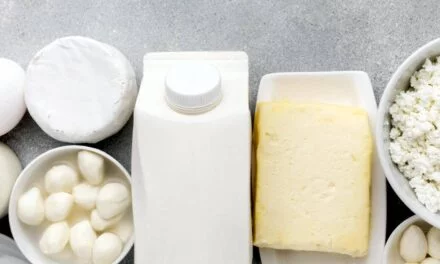
Only couple of years ago we had only Amul Cheese. Britannia first successfully introduced Cheese from cow milk followed by the introduction of French cheese 'Le'-Bon" from Dabur-Le'-Bon joint venture. Philips Morris -- owner of Kraft Foods -- is sitting waiting a formal licence to set up 100% owned company in India. They carried out lot of research for introduction of Kraft cheese in India. Their project now has been put in cold storage and they are still waiting and watching the market for processed food industry.

Upto mid eighties Kissan was the number one brand in Tomato Ketchup and around that time the competition came from Maggie -- a Nestle's brand. With Maggie launching several varieties of Tomato Ketchup there was a growth in the market. With Kissan and Maggie fighting neck to neck other smaller but established brands like Dipy's from Herbertsons, Volfruit from Voltas, Noga of Nagpur Orange Federation and SunSip of Wimco gradually disappeared from the market. Delmonte now has joined hands with Paoma Industries, the manufacturers of Rasna Brands of soft drink concentrate and is expected to launch Tomato Ketchup shortly. The biggest global player in Tomato Ketchup Heinz is still waiting and watching. It was expected that they will launch Tomato Ketchup in Indian market soon. Some of the unknown local brands of course still existing only on price competition.

The price competition has also kept some of the other categories of food products still alive. For example, the age old Corn Flakes from Mohan Meakin under the brand name Champion still sells almost the same quantity (reportedly 500 MT per annum) against the much better quality Kellogs brand which sells around 300 MT per year with all its variants.

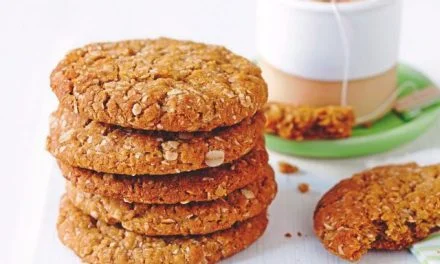
Till today we have only Parle and Britannia as two major brands in biscuits. Kellog is entering that segment gradually. Cadbury and SmithKline Becheem have nominal presence with speciality biscuits.

Shortly, we are going to see more cookies and speciality biscuits from Sara Lee, which has acquired Nutrine.

In the snack foods category we have two successful Indian players namely Uncle Chips brand of Amrit Foods and Pepi of SM Dye Chem, others were local such as Fun Flip, Crax etc. Soon entered Pepsi with their Ruffles brand and soon extended to Indian snacks by introducing bhujjias which Bikanerwala makes for them to market.

In confectionery we have over half a dozen global players struggling here for brand share and fighting against Indian players like National, Norton, Parle, Parrys etc. Amongst MNCs in this field leading are Perfetti, Wriggley, Agrilimen, Park Davis (with their chicklet brand).

Competition is also seen in organised food retail chains. Couple of years ago we had only Narula running such an organised retail food chain. Today we have everybody namely. McDonald, Kentucky's Fried Chicken, Dorninos, Pizza Hut of Pepsi's and many more.

In some of these categories domestic brands are still a leader - for example, Uncle Chips, Frooty, Rasna etc. But how long they will be able to retain their leadership is a big question mark? If, potato price continues to remain at the present level possibly Pepsi's Raffle will still continue even after incurring losses but Uncle Chip will have to close its shutters. As others are doing -- for example Billy's Ltd. -- an Indian company in technical assistance with Florigo of Netherlands had successfully introduced potato chips in Eastern India and was reportedly doing well. As potato price started shooting up the company could not afford to sell its brand at a competitive price and is now in the process of closing down. With highly fluctuating input price, domestic industries will be all the more vulnerable like the one as we have seen in case of Billy's.

The second lesson that we have learnt is that in each category now we have global competition with more players expected to jump into the fray. Domestic processors will have to learn to survive competition. But consumers are the real beneficiaries, they have now a wide choice.

____________________________________________________________
Send your views about the article to the Editor or Author

Goto top | Goto Series Index


Contact Webmaster@pfionline.com with comments or questions regarding this site. 
© Copyright, Computye Media, All rights reserved
.