|
Technological Upgradation Leading to Superior Quality
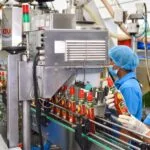
Food processing industry in India has undergone a total metamorphosis over the last six to seven years, in terms of types, variety, quality and presentation which is a result of liberalisation leading to foreign direct investment in frontiers of processed food sectors. Multinational and transnational corporations made significant contribution. This was possible due to market significant technological upgradation in this sector. It is not that the latest state-of-the-art technologies in this sector were not known to us. On the contrary, we had the fullest capability and technical know-how. In seventies and eighties we used to talk about in seminars and conferences the new types of packaging, products and processes but industries never felt the necessity to upgrade or invest in new technology. Nor did they have the resources to support such programme. Reason was is the apprehension all around that there would be no market for such products. And we continued to produce products that are of traditional nature using age-old technologies. Besides, there would were licensing restrictions, reservation of many categories under small-scale sectors etc., resulting of into poor or negligible upgradation of the industry. Things have changed since then.
With the technological upgradation we now see an all round improvement in processed food products quality. The competition has forced the processors to improve and the upgrade the quality. Earlier we had limited categories, for example, jam, jellies, marmalades, squashes, cordials, ketchup and sauces in fruit and vegetable sector, ice cream, spray dried milk powder, condensed milk, butter and ghee in dairy sector, bread, biscuits and pancakes in bakery sector, hard boiled confectioneries, one brand and type of chewing gum and limited variety of chocolate in confectionery sector. Today we have not only better quality of these but also a lot of variants and product types and choices.
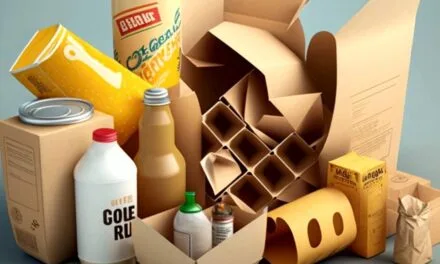
There is also a significant improvement in packaging quality. In seventies we had only glass and cans as packaging materials. In eighties we had seen laminates and other plastic materials coming in. Today we have the host of packaging types being used to market processed food products. Earlier we used to get fruit juices and ready-to-service (RTS) beverages only in glass bottles. Today we have tetra pack and also asceptic carton pack. Similarly, tomato paste earlier used to be sold in metal cans and the market for this was also very small. Today tomato paste is sold by Godrej Foods in asceptic consumer pack.
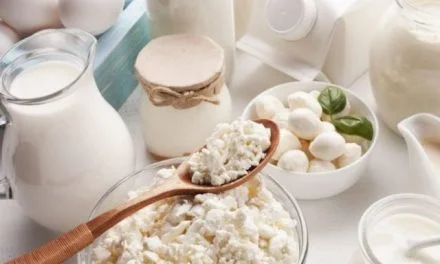
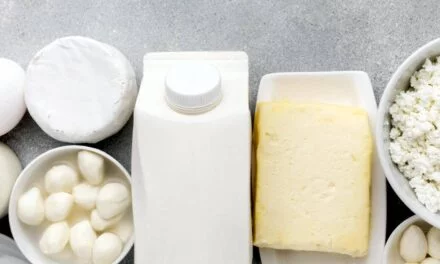
In packaging of cheese and other dairy products considerable improvement in the product and packaging quality are evidenced. Cheese, as a product was not known to the Indian consumer in seventies and eighties. Only cheese that we had was cottage cheese. Processed cheese was not there, not to speak of varieties of cheese as they are found and consumed in other countries. I remember during early eighties we had to develop a particular party near Delhi to supply Mozzrella cheese required for pizza to be sold through Mcdowells Fast Food chain which subsequently closed down. Today although we don't have all varieties of cheese but we have seen a beginning. Britannia and La-bon cheese are definitely gaining ground. And we expect that when Kraft will enter this market there will be a revolution in processed cheese sector in India. Kraft International has done considerable research on the possibility of producing world class Kraft cheese for Indian market and they came to the conclusion that the milk quality in India is not good enough to produce cheese of Kraft grade. Besides, Kraft cheese is produced from cow milk where as in India bulk of our milk is from buffalow. They even thought of importing the compressed casein block to Nepal under refrigerated condition and set up processing plant there for Indian market in order to take the custom duty advantage because quality is what they can not sacrifice. But that also was not found to be viable. I told Mr. Puno who is in charge of South East Asian region including Indian sub-continent that starting early is the key. I advised him to start the operation first and cow milk can be made available or can be organised. But they had still the apprehensions. Britannia subsequently introduced cheese and their sole claim is "Cheese from cow milk" and has done very well if initial responses are any indication. And it is everybody's knowledge that Britannia is not manufacturing it themselves but it is being manufactured in a local plant near Pune under a subcontract manufacturing arrangement. Britannia is only marketing it. Although process technology support might come from their respective French collaborators namely BSN and LA-BON, but this only proves my contention that technology is known to us but we did not put it to application to tap new and emerging market. Competition is forcing the marketeers to look for better products and new products, which is a direct outcome of the liberalisation policy.
Even the traditional item like Indian snacks (bhujjia) and Bengali sweets manufacturers are also thinking to upgrade their manufacturing technology and product quality. Mr. Agarwal, Managing Director of Bikanerwala who supplies bhujjia to Pepsi Foods recently invited me to visit his plant at Lawrence Road in Delhi and said Pepsi's global chief also visited his plant and was highly impressed to see their process. When asked what exactly the improvement they have made in their age-old labour oriented process, Mr. Agarwal commented that the packaging of Bujjia is now fully mechanised. Similarly sweets are also a serious trade worth Rs.16500 crore and in West Bengal alone the market is estimated to be Rs.1000 crores. The Sweet Traders Association in West Bengal recently held a seminar in Calcutta to devise ways of making the sweet making process more hygienic and to ensure optimum use of technology _ said Mr. Robin Pal, General Secretary of the Association. The implications of liberalisation has also reached these so-called traditional foods and the traders now are eyeing for the global market.
Under liberalisation regime consumer is the king. They are getting better value for money and they have now a wide choice to select from.
____________________________________________________________ Send your views about the article to the Editor or Author
Goto top | Goto Series Index
|