|
Proliferation and Extension of Food Brands
Food items are primarily processed to extend its shelf life and to preserve its nutritional value. The secondary purpose of processing of food is to deliver convenience, taste and appeal to the target consumers. Depending upon what consumer segments we are targeting the processing methods, type of food and its taste and packaging and total presentation varies widely. In a country like India where local taste preferences differ from region to region it poses a much bigger problem to produce food products which can have a much larger acceptance and hence a bigger market potential. But there are some food categories and types for which th ere is a universal acceptance and hitherto Indian processed food industry only were processing those generic category of foods for all India market. Even new entrants in the processed food industry were only adding brands in the traditional sectors. We have witnessed this phenomenon before liberalisation in different categories. And as a result, mortality rate of processed food brands were quite high. For example, when Amul came into the market with their Amul Butter - Polsons butter disappeared from the scene. And the successful brand went on extending it to other categories. Having tasted success, Amul brand has been extended across a range of items including cheese, cheese spread, shrikhand, chocolate and ice-cream.
Creativity in food industry was, to say the least, very low. There were of course small local companies who attempted to create products for catering to the local taste preferences but the market was so small that the products did not survive the test of time. For example Kissan launched "Bisebelle Bhath" a South Indian delicacy in Southern market in mid eighties only to withdraw a year later. We at Kissans did considerable work and developed instant rice but market research indicated that the market for instant rice would be insignificant and thus we had to drop the idea. The same instant rice was used to formulate "Bisebelle bhath". Phillips Morris who got clearance recently for setting up 100% owned entities in India has announced their plans to introduce the instant rice under their global and popular brand "Minute Rice".
And still there are others who tried to create universal appeal and introduced mass market product and have demonstrated big success stories. The example is Rasna from Pioma Industries. But how they did it is a different story and that will be covered in another article. Yet others have failed in such attempt. In mid eighties steel merchant of Mumbai Mr. Ravi Kiran Agarwal in a joint venture with Kwality Frozen Foods had set up Tasty Bite Eatables Ltd. - a company to get into frozen foods and North Indian and South Indian vegetarian and non-vegetarian ready-to-serve foods. The concept was - warm and serve. A modern plant was set up near Pune. The products including Mutton curry etc. in retortable pouch were introduced but it did not click. A couple of years later they faced serious financial problems and subsequently the company was sold to Hindustan Lever - who tried hard to establish "Green Valley" frozen foods. It was also later on withdrawn. Welga Foods in Badaun near Bareilly similarly had to close down their frozen foods plant. Tarai Foods who were also contract manufacturers for Hindustan Lever is still struggling to exist. The only long term player in frozen foods particularly frozen vegetables is "Mafco" -- a co-operative in Maharashtra. Food products that were in the high price range and were well ahead of their time did not succeed in India. And thus casualties in certain category were very high.
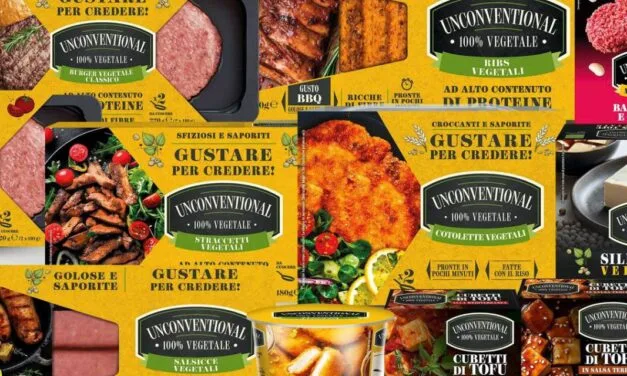
Before nineties the food industry in India was struggling to establish only the traditional food brands and there was very little or no effort to introduce new foods. In post liberalisation era we have host of new MNCs with superior marketing skill and bigger resource to their command have extended their brands to a wide variety of local foods and their variants including the areas which were protected niches of small local players. For example, Indian traditional snacks were only local brands even a couple of years ago. But there we have now even global brands. Kissan under UB-group used to sell and market only fruit and vegetable products. Today Kissan brand has been extended to even branded grocery items which were earlier the domain of small local players. Pepsi's primary business is in soft drinks but in India they have gone into branding of traditional snack foods. Similarly Nestle - a swiss Food major - has introduced pickles in Indian market. In the traditional food items local companies should be able to add better value and hence can score higher in the market place.
In seventies, 'Bisleri' was the only mineral water which had national presence and the sale was to the tune of approximately one hundred thousand cases valued at about Rs.60 lacs. Today mineral water market is said to be of Rs.200 crores and over hundred brands of mineral water are there. Mr. Ramesh Chauhan of Parles thinks that mineral water market in next five years time will become Rs.2000 crores and based on that he has drawn up ambitious plan for his Bisleri mineral water. The competition in mineral water is so high that Mr. Ramesh Chauhan's own brother Mr. Prakash Chauhan who owns "Frooty" brand also introduced a mineral water under the brand name "Bailey". Of late we have multinationals entering the mineral water scene. "Evan" is recently launched which is a well known international brand.
Earlier we did not have any fruit juice in the market. Only canned juice and ready-to-serve beverages in bottles were available. Today we have number of brands in carton and tetrapack. Such as 'Onjus' of Enkay Texofood, 'Real juice' of Dabur, 'Jumpy' of Godrej etc. all packed in convenient asceptic cartons. We will be shortly getting more brands of fruit juice including 'Tropicana' from Seagram.
The proliferation of brands are also seen in branded Grocery products. A few years ago we had 'Tata-salt' as the only refined iodised salt selling in the market and today we have 'Captain Cook' from DCW, 'Kissan Annapurna' from Kissan Products and Catch (with dispenser) from Hi-Tech Foods and more brands to come in. In some areas such as meat and poultry products branding, packaging, processing and distribution on a national scale has yet to be witnessed. But in many of the processed food categories, as we can see that the existing brand is either extended to a wide variety of foods such as Britannia to Cheese and Long Life Milk in tetrapack etc. or there are proliferation of brands.
In this process, ultimate beneficiary is the consumer as they can expect to get the best value for their money. Competitive pressure will make that possible.
____________________________________________________________ Send your views about the article to the Editor or Author
Goto top | Goto Series Index
|